

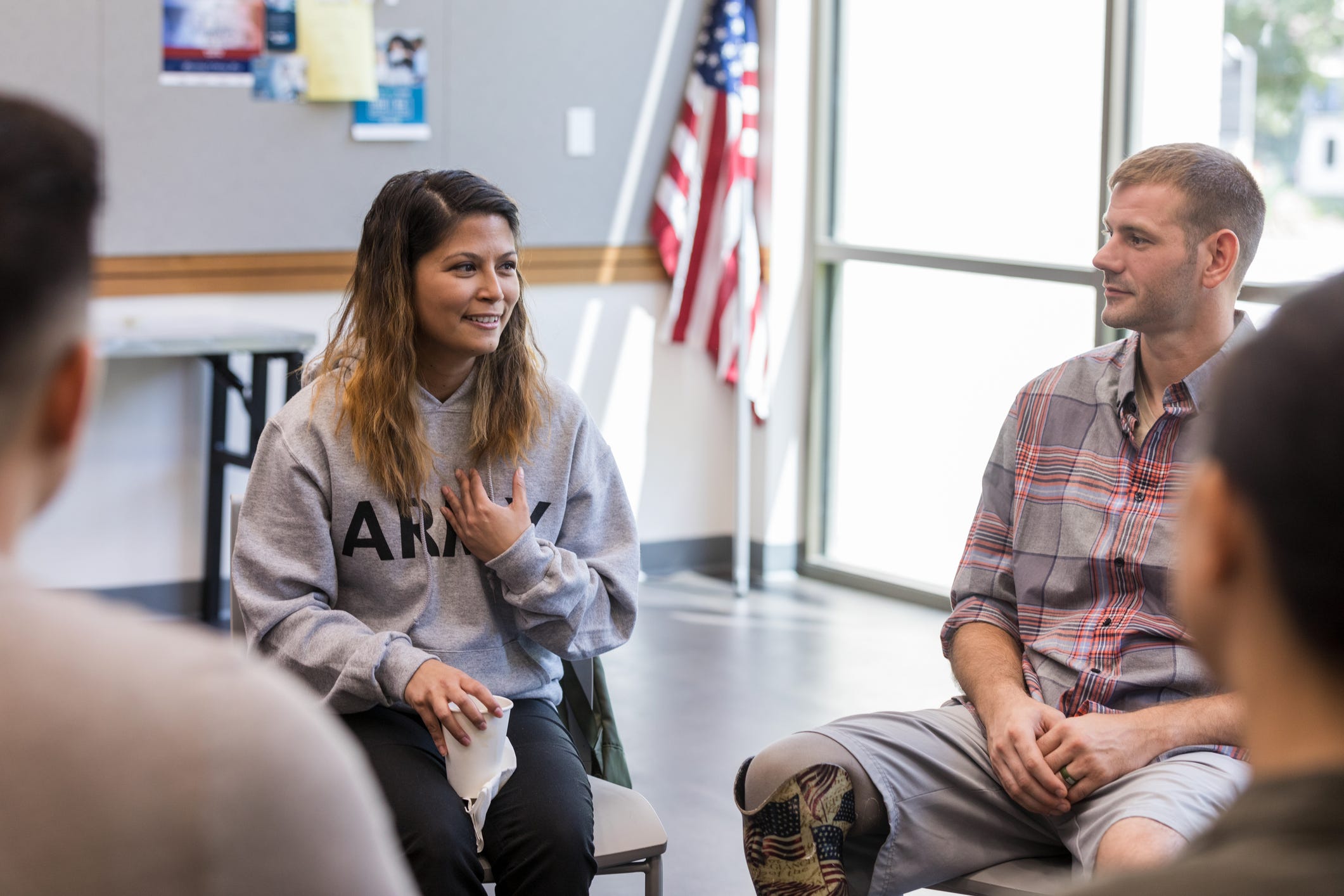
In 2023, 622 Florida veterans died by suicide. That’s not a statistic that fades with time—it’s a reality that echoes through families, communities, and the lives of those who served alongside them. The rate of veteran suicide in Florida is more than twice the civilian rate, a sobering disparity that demands not resignation, but action.
Yet here’s what’s remarkable: The Fire Watch has trained over 12,447 Watch Standers across Florida—ordinary community members equipped with the skills to recognize and respond to veterans in crisis. In regions where these trained Watch Standers are concentrated, the impact is undeniable: Northeast Florida has documented a 26% reduction in veteran suicides from 2019 to 2025, compared to a 10% statewide reduction over the same period. Prevention isn’t theoretical. It’s measurable. It’s real.
This is the story of The Fire Watch, the Watch Stander training program, and how Neighbors in Service is bringing this life-saving intervention into Azario and beyond.
THE CRISIS: NUMBERS WITH FACES BEHIND THEM
Before we talk solutions, we need to understand what we’re facing. Veterans comprise 7.7% of Florida’s population, yet they account for a wildly disproportionate share of the state’s suicides. The disparity isn’t new, but it’s accelerating in unexpected ways.
From 2022 to 2023, younger veterans (ages 18-34) showed a dramatic and encouraging decline in suicide rates. But simultaneously, middle-aged veterans (35-54) saw an upturn—a pattern that runs counter to what’s happening in the civilian population. This divergence matters because it tells us veteran suicide isn’t following predictable demographic curves. The unique stressors of military service shape it, the challenges of transition, and the persistent struggle to find meaning after the uniform comes off.
In Manatee County, the picture is particularly acute. We’ve experienced one of the largest increases in veteran suicides since 2019. These aren’t abstract numbers. They’re neighbors. They’re first responders. They’re people who answered the call to serve, and now they’re struggling in isolation while the rest of us move through our daily lives unaware.
The question isn’t whether we can afford to respond. It’s whether we can afford not to.
WHO IS THE FIRE WATCH? AN ORGANIZATION COMMITTED TO “TURNING THE CURVE”
The Fire Watch is a Florida-based 501(c)(3) organization dedicated to ending veteran suicide through evidence-based community intervention. Founded on the premise that suicide prevention isn’t solely the work of clinical professionals, The Fire Watch has built an innovative model: equip ordinary community members with skills to identify veterans in crisis and connect them to professional help.
Their approach rests on a simple but transformative insight: most veterans don’t die by suicide without warning. They show signs—changes in behavior, withdrawal from community, expressions of hopelessness. But those signs are often missed because the people around them don’t know what they’re looking for.
To date, The Fire Watch has trained over 12,447 Watch Standers across Florida—an expanding network of trained community members, veterans, faith leaders, and neighbors. These trained Watch Standers are projected to generate approximately 14,936 veteran referrals to professional resources over the next 12 months, connecting struggling veterans with the mental health and crisis support services they need.
The impact is measurable and compelling. In Northeast Florida, where Watch Standers are most concentrated, veteran suicides have declined 26% from 2019 to 2025—significantly outpacing the 10% statewide reduction over the same period. This disparity tells us something vital: training and community readiness matter profoundly. The more Watch Standers you have, the more lives you save.
WHAT IS WATCH STANDER TRAINING? CPR FOR VETERAN MENTAL HEALTH
Imagine CPR training for physical emergencies. You learn to recognize the signs of cardiac arrest, you practice the technique, and suddenly you’re equipped to intervene in a moment that could determine whether someone lives or dies. Watch Stander training operates on the identical principle—but for mental health crises.
The training is remarkably efficient: one hour. In that hour, participants learn to recognize warning signs that a veteran may be in crisis—withdrawal, increased substance use, expressions of hopelessness, isolation from community, reckless behavior. They practice engaging compassionately, asking direct questions without judgment. And they learn how to connect struggling veterans to professional resources: crisis hotlines, mental health professionals, peer support networks, and emergency services.
The beauty of Watch Stander training is its accessibility. You don’t need a clinical background. You don’t need to be a veteran yourself. You might be a spouse, a community member, a coworker, a faith leader, or a neighbor. What matters is your willingness to pay attention and your commitment to act when you notice someone struggling.
The training is also honest about its limits. Watch Standers aren’t therapists. They’re not replacing professional care. Rather, they’re the connective tissue—the first responder to a mental health emergency, the person who notices and intervenes before crisis becomes tragedy.
OUR COMMUNITY RESPONSE: FROM ASSEMBLY TO NEIGHBORHOOD
In San Damiano Assembly 3192, something historic unfolded over 55 Sir Knights and their spouses completed Watch Stander training, making San Damiano the first Knights of Columbus Assembly in Florida to achieve Veteran Safe Place Certification—official recognition that the organization has trained sufficient members to become a recognized resource for veterans in crisis.
This achievement reflects a deliberate choice by Assembly leadership to live out the Fourth Degree commitment to patriotism and service. Among the Assembly’s 100+ veterans, trained Watch Standers now walk the halls. At meetings, at charitable events, at moments of vulnerability, Sir Knights are equipped to recognize distress and respond with both compassion and concrete support.
But the work couldn’t stop at the Assembly doors.
On March 3rd, 2026, Neighbors in Service hosted its inaugural Watch Stander training event in Azario. Brianne Brown—an Air Force veteran and Regional Program Manager for The Fire Watch—led an intensive 90-minute session that brought together 37 Azarians: five veterans, military family members, and supportive community neighbors. The energy in the room reflected something powerful: ordinary people choosing to become extraordinary first responders to veteran mental health crises.
The training was filled with enthusiastic participation, thoughtful questions, and powerful lived experiences shared by attendees. People walked away equipped not with theory, but with concrete skills—how to recognize when a veteran is in crisis, how to engage with compassion and directness, how to connect struggling veterans with life-saving resources.
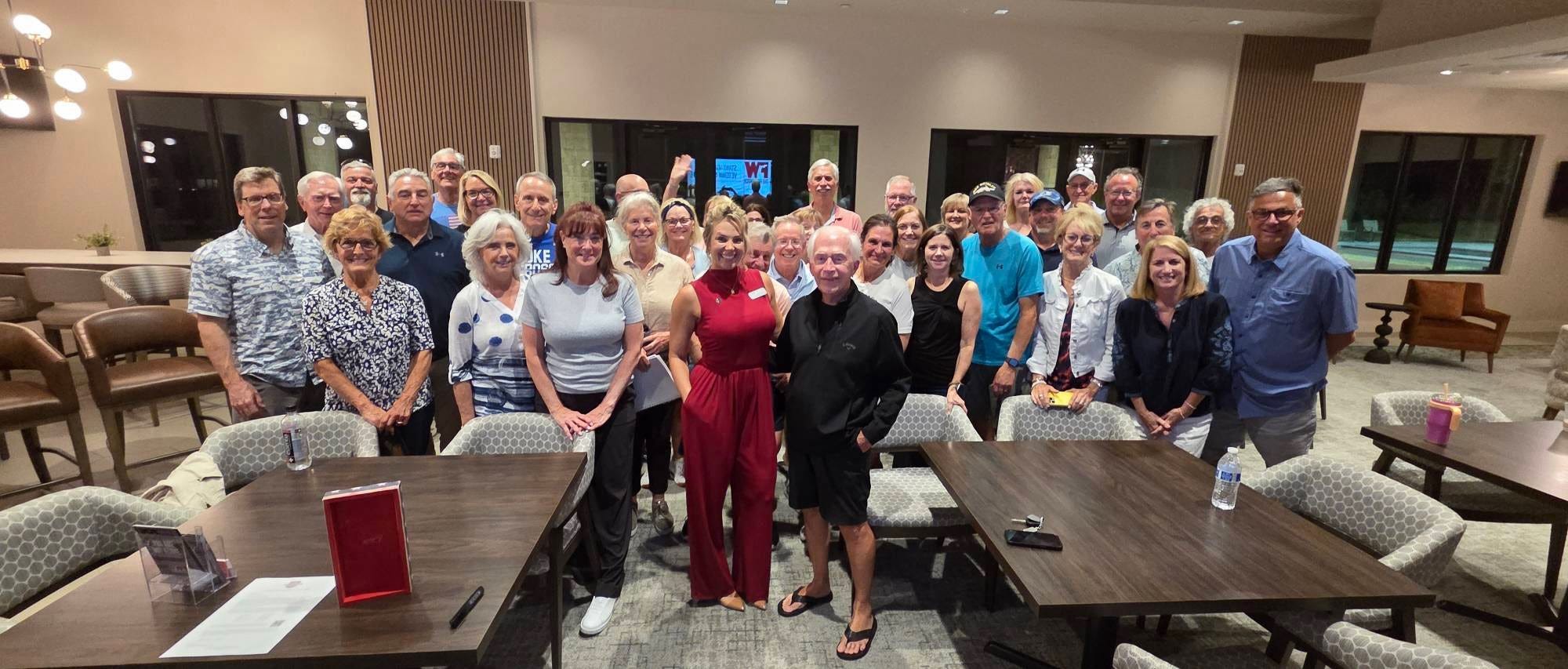
Thirty-seven trained Watch Standers now live in Azario. They know their neighbors. They understand the stakes. And they’ve committed to paying attention in ways that could fundamentally alter the trajectory of someone’s life.
Recognizing the momentum from that inaugural success, Neighbors in Service is planning the next Watch Stander cohort for Fall 2026. The goal is clear: expand the network of trained, vigilant community members who understand that standing watch for veterans is everyone’s responsibility.
WHAT YOU CAN DO—CONNECTING VETERANS TO SUPPORT
If this resonates, if you’re recognizing the weight of veteran suicide in your own circles, there are concrete ways to engage:
Get trained. Watch Stander training is coming to Azario again in Fall 2026. Whether you’re a veteran, a military family member, a first responder, or a community supporter, the training equips you with specific, actionable skills. Attend. Learn. Become part of the solution.
Look around your own circles. You likely know veterans. You probably know first responders. You may know military families navigating the unique challenges of service-connected life. Watch for changes—withdrawal, increased substance use, recklessness, expressions of hopelessness. These aren’t violations of privacy; they’re signs of distress. Intervening with care and directness can be the moment that changes everything.
Know the resources—and share them. If you notice a veteran in crisis, your next step is to connect them to professional support. The Veterans Crisis Line (call or text 988, then press 1) provides 24/7, confidential support to veterans and their families at no cost. This is a national resource backed by the U.S. Department of Veterans Affairs—a direct lifeline to trained counselors who understand military culture and the specific challenges veterans face.
Beyond crisis intervention, the VA offers comprehensive mental health services to eligible veterans: therapy, medication management, peer support groups, and specialized programs for trauma, substance use, and suicide prevention. If you’re a veteran or know one, visit VA.gov or call the VA benefits hotline at 1-800-827-1000 to explore eligibility and services.
For immediate support outside crisis hours, local resources include the Manatee County Veterans Services Office (941-745-3795), which can navigate you toward VA benefits, mental health resources, and community support networks.
Support those who stand watch. Watch Standers can’t do this alone. They need communities that understand their role and reinforce their efforts. When you encounter someone who’s completed the training, acknowledge their commitment. Ask how you can support their work.
FROM CRISIS TO COMMUNITY ACTION
The statistic with which we began—622 Florida veterans lost to suicide in 2023—represents an enormous, ongoing tragedy. But it’s not destiny. In counties where Watch Standers are trained and active, the curve is bending downward. Communities are turning the tide.
That transformation doesn’t happen through policy alone or professional intervention alone. It happens when ordinary people—Sir Knights in an Assembly, neighbors in a community, coworkers in a workplace—decide that veteran suicide is not someone else’s problem. It’s ours.
We invited you into this story not to overwhelm you with statistics, but to empower you with possibility. Every trained Watch Stander represents a potential lifeline. Every person who notices a veteran struggling represents an opportunity for intervention. Every community that embraces this responsibility moves closer to a world where fewer veterans die by suicide, and more find their way back to belonging.
Neighbors in Service believes that standing watch for veterans is standing watch for ourselves—for the integrity of our community and the values we claim to hold. That commitment begins with attention, deepens through training, and manifests in the concrete act of showing up when someone is struggling.
The question isn’t whether we can prevent veteran suicide. The data from Watch Stander counties tells us we can. The question is whether we’ll choose to.
Learn more about Watch Stander training and upcoming Azario cohorts. Fall 2026 registration details coming soon.
Resources:
Veterans Crisis Line: 988, then press 1 (24/7, confidential)
VA Mental Health Services: VA.gov or 1-800-827-1000
Manatee County Veterans Services: 941-745-3795